
“Many of Gilbarco’s customers are looking at the EMV migration as an opportunity to not only enable better security for their customers, but also to implement technologies that will improve their consumers’ fueling experience and drive more traffic to their sites, such as Applause TV™ with VNET,” Burke said. “This platform provides engaging entertainment and advertising content focused on the c-store consumer and can also provide a subsidized path to supporting EMV regulations.”
From an outdoor perspective, retailer costs can vary widely depending on the age and model of their dispensers and other site equipment.
“Newer dispensers often benefit from reduced EMV upgrade costs given most of the required hardware is already present in the dispenser and upgrade can be as simple as installing chip card readers and EMV software,” Cerovski said.
In other cases, more of the existing payment terminal may need to be replaced, which increases the cost, and some dispensers are so old they cannot affordably be upgraded and a replacement is in order.
Hardware & Software Requirements
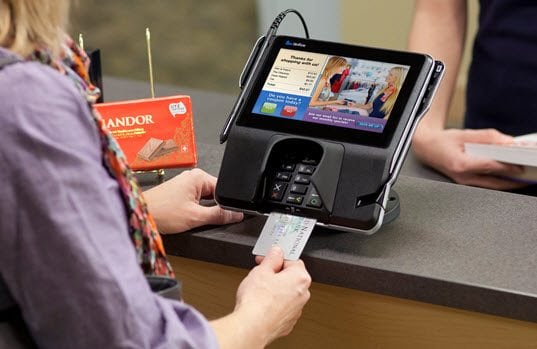
To accept EMV, a retailer needs to install EMV validated devices—at the counter or integrated within the pump. The POS system and pump provider must integrate the EMV approved device with their respective solutions and certify their POS system to the retailer’s acquirer for EMV acceptance, paying specific attention to the customer verification methods they will need to eliminate liability for accepting lost, stolen and counterfeit cards.
“The retailer cannot accept EMV cards without installing EMV approved devices and ensuring that their systems are upgraded to a version that is certified to their processor for EMV,” English said.
At a minimum, retailers will need to upgrade card readers both in store and outside at the fuel dispenser if they do not have EMV-capable card readers.
“The best way to determine their current capabilities is to check the currently installed card readers with the manufacturer,” Kleinschnitz said. “The overwhelming majority of U.S. gas pumps do not have EMV-enabled card readers and will require upgrades.”
Additionally, different point-of-sale equipment manufacturers have different requirements to ensure their POS software is ready for EMV.
From a hardware standpoint, every convenience store retailer will need to check to see whether or not they have EMV capable card readers, both inside the store and at the outdoor fuel dispenser. If they do not have EMV-capable card readers, their indoor and dispenser terminals will need to be updated.
Hervey said that in terms of software, there will be new software for payment terminals and there will be new network interfaces that will likely require new POS software upgrades, which is dependent on the merchant’s POS provider.
“Merchants should check with their POS provider regarding any necessary hardware or software upgrades,” Hervey said.

Click to enlarge
Stability of the Future
Because EMV implementation has been a long process for businesses in the U.S, retailers are interested in the stability of this technology and where new upgraded software and hardware will be required in a few years.
Cerovski said the EMV hardware should be stable for some time; however, the software will likely require updates every couple of years.
“It is always a challenge to predict the future when it comes to new technology introduction and adoption in the retail petroleum industry,” Cerovski said. “That said, there are indicators that EMV technology will be with us for many years to come, whether it is in physical card form, or contactless or via mobile devices.”
Cerovski said the industry needs more secure transactions to keep consumer confidence in the payment system and EMV is one step in that direction.