
How modern payment kiosks can kickstart c-store revenues.
By Scott Friedman
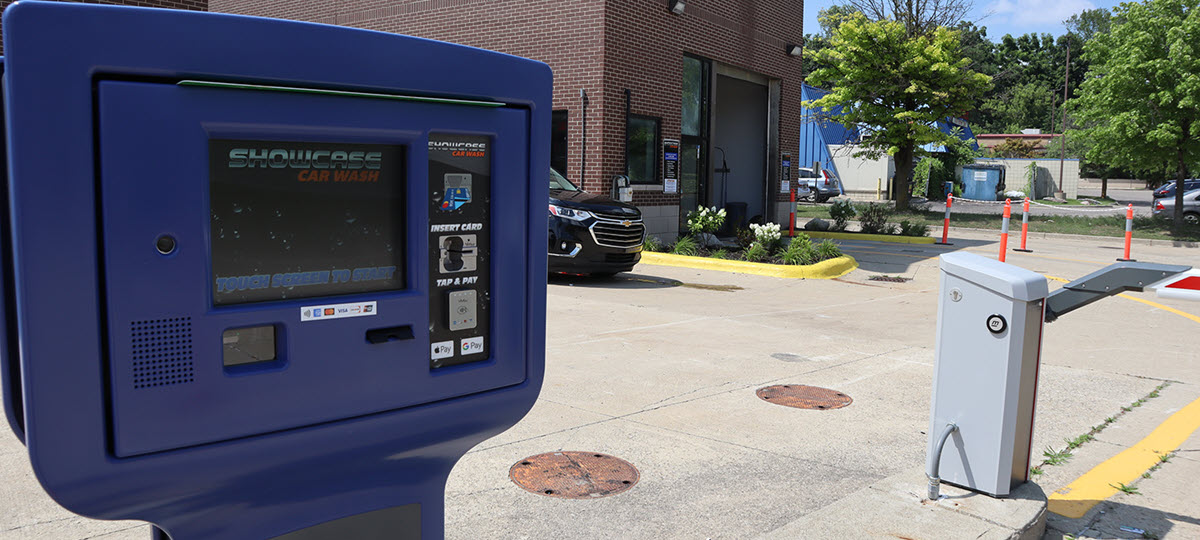
Multiple revenue streams are critical for today’s convenience stores. And multiple purchase options are equally critical for key profit drivers such as fuel dispensers and car washes to enhance the customer experience. But you need the right tools for the task—or you risk lost profits, often right at the payment terminal itself.
Customers have specific expectations from c-stores—speed and efficiency. When fueling, they want open lanes at the pumps. In the store, they want great offers and quick transactions. And at the car wash, they want a quick and thorough wash that starts with an easy-to-use EMV-compliant payment system.
Many convenience store sites that fail to update their payment kiosks miss a significant opportunity to provide a fast, efficient process for their customers. Older payment terminals are increasingly inefficient and clunky and can lead to additional expenses for the site, including possible hidden fees associated with non-EMV compliance.
Outdated terminals also directly affect the customer and traffic flow in and out of the bay. Drivers can fumbling for cash or coins can cause long lines to form. And these older machines are more likely to jam or operate incorrectly. These inadequacies frustrate the customer and harm the customer experience from the outset, reducing the likelihood of repeat business.
Upgrading to modern kiosks can help mitigate these problems and there are opportunities to reduce the risk of lost profits through equipment upgrades without compromising operational uptime or customer satisfaction. To accomplish this, sites must consistently deliver effortless operations across the board, which begins with the first customer touchpoint—the kiosk.
What Can Updating the Payment Terminals Do for the Store?
An increasing number of devices are interconnected on site, which allows retailers to offer incentives for the car wash at the fuel pump, inside the store or both. That communication flexibility enables the c-store to easily sell car wash subscriptions and promote loyalty programs, among other benefits.
New kiosks can serve as the central hub, bringing several key advantages:
- EMV compliance
- Flexible and secure transactions for multiple payment types
- Increased customers throughput in peak hours
- Personalized customer advertising and upsell opportunities
- Connections to apps for subscriptions and rewards programs
- Speed, security and personalization with AI-powered license plate recognition (AI-LPR)
Installation can be straightforward from a physical standpoint, requiring no special infrastructure or technology—aside from having adequate power availability and a secure internet connection. With most new systems built for plug-and-play capabilities, a c-store can be up and running with new digital payment terminals quickly and easily.
How Do New Terminals Benefit the C-Store Customer?
Customers visit convenience stores for a quick stop, whether for fuel, snacks, drinks, a car wash or all the above. In any case, they expect speed and reliability. Operators shouldn’t hamper that with outdated payment kiosks that slow everything down or are prone to errors.
Today’s technologies are more accepting of different payment methods, which speeds things up. Modern kiosks are EMV-ready, allowing for cards, apps and rewards programs to make things more efficient and give the store more revenue options. Plus, new kiosks are more user-friendly, with bigger screens, simple interfaces and easy-to-follow instructions.
New payment systems also provide several key benefits to the customer that can kick off a great experience and drive repeat business:
- Ease of use, plus speed and efficiency
- Multiple payment options—no need to count cash or risk a jam during payment
- Personalized incentives based on purchase history
- Quick access to rewards, discounts, memberships and loyalty programs
Many c-store car washes are losing profits at the payment terminals without even realizing it due to inefficiencies and cumbersome operation of older kiosks.
By upgrading to new generation terminals, stores can more effectively cross-market between the fuel pumps, car wash, the store and even the individual customer through several levels of interactivity. Furthermore, installing new kiosks that accept multiple, secure and accessible payment types gives the store additional revenue streams while minimizing profit loss from outdated equipment that could provide a negative experience.
 Scott Friedman is the director of marketing at OPW Vehicle Wash Solutions, which consists of PDQ Manufacturing, Inc., Belanger, Inc., Innovative Control Systems (ICS), Kesseltronics and Transchem. Learn more at opwvws.com.