
By Keith Reid
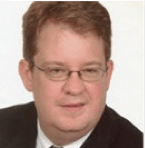
 Kevin Smartt is the CEO of Texas Born (TXB), a 48-store chain with locations across Texas and Oklahoma. Over the past 15 years, the chain has doubled in size, developed a unique customer loyalty program and is implementing cutting-edge point-of-sale technology. The Spicewood, Texas, company is also a leader in charitable giving programs.
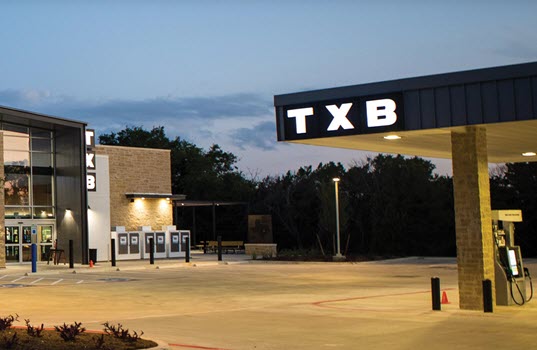
TXB was previously Kwik Chek, which began rebranding in 2020 to emphasize the company’s Texan roots and values that the brand has been built around. The evolution of Kwik Chek stores to TXB also included a new line of TXB private label products, including jerky, trail mix, bottled water and coffee. The c-store operations include a unique customer loyalty program and cutting-edge point-of-sale technology across all stores.
In addition, Smartt is the owner and CEO of McCraw Oil Company, a successful regional supplier of propane for home heating and commercial autogas, wholesale fuel and lubricants in Texas and Oklahoma; McCraw Transport Inc., a fuel delivery company; and Texas Born, a food product company. McCraw also offers on-site fueling and the Go Fuel Card.
As CEO of TXB, Smartt has helped guide the growth of the company for more than 25 years, leading the chain to double in size. Current staffing includes more than 600 professionals.
Smartt has been heavily involved with NACS and served as the organization’s 2020-21. In May 2020, he testified at a U.S. Senate hearing on behalf of NACS and the convenience and fuel retailing industry in support of liability protections for essential businesses during the COVID-19 pandemic. He also is involved with Conexxus, the Texas Fuel & Food Association and the Oklahoma Petroleum and Convenience Store Association.
FMN interviewed Smartt to tap into his insight in managing both a successful convenience store operation and a diverse wholesale and commercial fueling operation.
FMN: You operate a range of business units. How are they managed under your corporate umbrella?
Smartt: It’s a more complicated universe when you operate all those things. Not just because of the extra work and manpower, but it does add complication to the ethos of all the businesses. We keep them as separate corporations. I have a president of the fuel wholesale company, Bill Wilson, who is dedicated to running that business and driving growth and profits. I do the same with the retail business.
FMN: Even though you take point on retail, you have abundant familiarity with the wholesale side.
Smartt: Yes, I do, because that’s how the company started. When I first came into the industry, I spent several years working within the wholesale company. I drove bobtail trucks, I fixed gasoline pumps, I installed tanks—I did it all. So, I’m very familiar with it. And since I’m the owner, I’m involved in the business, strategy and the growth of accounts—the overall performance.
FMN: What’s the biggest difference between the retail and wholesale operations?
Smartt: There’s a lot of capital involved in retail when you own your own retail assets. There’s capital involved on the wholesale side where it’s your inventory, your trucks, your bobtails, your tanks—things like that. So, there’s that difference. There’s the amount of people. Typically, you have more bodies in retail but on average probably a little bit lower in pay scale than in the wholesale business.
I feel like the wholesale has a more of an environmental burden. We have hazmat trucks rolling up and down the road. We also have about 150 dealers that we sell fuel to, and we are their environmental experts a lot of times. We’re constantly trying to keep them updated on environmental regulations. And a lot of times we may own a lot of the equipment at some of those dealer locations. With our physical sites, we can have environmental issues, but it just feels like there’s a little bit more of an environmental burden on the wholesale business.
FMN: Do you get extra efficiency by having both a retail and marketing operation?
Smartt: We probably had much more of an advantage in the past because we lived and breathed the fuel business. We may have had more foresight into the fuel markets. And I think there is some insight that goes along with the procurement aspect when deciding which areas to operate in because you might not have buying advantages in some areas. But with technology, retailers today have incredible access to information at their fingertips. We find that [even the smallest] store operators are pretty darn sharp with their fuel. It’s interesting for me to see that, and I think it’s good for the industry.
We operate our own fleet of trucks, and a lot of times there are advantages there for us. Not necessarily a cost advantage, but your stores get taken care of. It’s not a third party hauling your fuel, so they take a lot of pride in making sure we don’t run out of any of the grades of fuel even in tough markets. I think that’s a big advantage.
FMN: How do you go about hiring and retaining quality drivers?
Smartt: Unfortunately, there’s no magic sauce for anyone today. I think we’re all in the same boat and trying to do the best we can. We’ve been very fortunate, not that we haven’t had challenges. One of the things that we did is we didn’t lay anybody off during the pandemic. Our driving team appreciated it, and they talked about it around the terminals. That was not the case universally, and rightfully so. It was a challenging time. Most groups lost 40 to 50% of their gallons. Our reaction was—we’re going to hold the line. And I think it’s paid dividends over the last year.
Another thing we’ve done is leverage our retail assets to help with hiring drivers. We have billboards up and down the road. We have all these great stores with people going to them every day. So, why don’t we use all those assets to find our drivers? We created a marketing campaign to get people to join the company and drive.
However, just recently we have felt [some pressure]. Pay and signing bonuses have become so outlandish.
FMN: How do you leverage fuel in your convenience offering?
Smartt: I would have to say quality fuels, as part of a quality experience. From the pumps to the windshield washer dispensers—everything. We put a lot of effort around it. We also have our own in-house maintenance repair team that can handle most of the issues on a dispenser. Our team does a really good job of taking care of the whole facility. I think if customers have trust and confidence in you then that’s where they shop. They know what to expect.
FMN: Branded or private brand?
Smartt: We are branded in most of our facilities (TXB), but we have recently started going the private branded route with our newest TXB Stores.
FMN: What’s the market for home heating where you are operating?
Smartt: It’s been good, and we’ve continued to grow and expand that part of the business. When I first bought the company in 2001, we didn’t have any propane business. In the past 20 years I think we rolled up about 10 small propane wholesalers. And recently we built a couple of organic branches in the DFW market. We’ve been building gallons from day one. We service North Texas and Southern Oklahoma, with our emphasis being on the growth within the DFW market. That market has been good for us because of a decent average home size and a lot of appliances in those homes that are fueled with propane. Volatility and seasonality are typically good for businesses, and the last couple of years we’ve had those.
FMN: What about the autogas side?
Smartt: We do quite a bit of fleet business. Our new pro propane branches are also highly focused on commercial—bottled propane for warehouse forklifts and different things like that. We’ve seen that growing quite a bit over the last few years.
FMN: Describe your lube business.
Smartt: Honestly, we’ve scaled back on the lube business and made our bet on propane. We used to be a bulk lube distributor, and I think we’ve pretty much sized ourselves out of that market. We still do a lot of lubes when it comes to drums or buckets for commercial purposes.
FMN: How important is technology in your operations?
Smartt: I think there’s all kinds of opportunities from technology that will help us gain efficiencies, but not necessarily to reduce headcount. A lot of times it’s just about getting the right bodies in the right places and taking care of your customers, or solutions that give you greater business intelligence at your fingertips when you need it to move quicker and bring money to the bottom line.
We have a tremendous mobile app, a loyalty program and we’re testing mobile food ordering. We’re doing at-home delivery in a lot of stores.
I’d put our retail technology up against any 50-store chain, or against a lot of bigger chains. And we have a lot of technology in our wholesale business.
FMN: Do you have an electric vehicle strategy today?
Smartt: I think it’s probably a long way off before we see a lot of electric vehicle penetration on the road. But also, I don’t want to be the third or fourth person in, right? I want to be the first one in, and I want consumers to think about us as a place to go, to get your fuel, liquid or electric. We put chargers in the store we just built, and we’re not setting the world on fire. But we’re getting about 100 to 120 charges a month, and we’ve got a lot of happy customers.
I think you should do it while there is grant money accessible so you can start learning. Don’t wait five or 10 years and start trying to figure it out. We’re learning a lot about those consumers. But if you don’t have grant money, I don’t think it works right now. The equipment is so expensive, the installation is so expensive and the demand is so low.