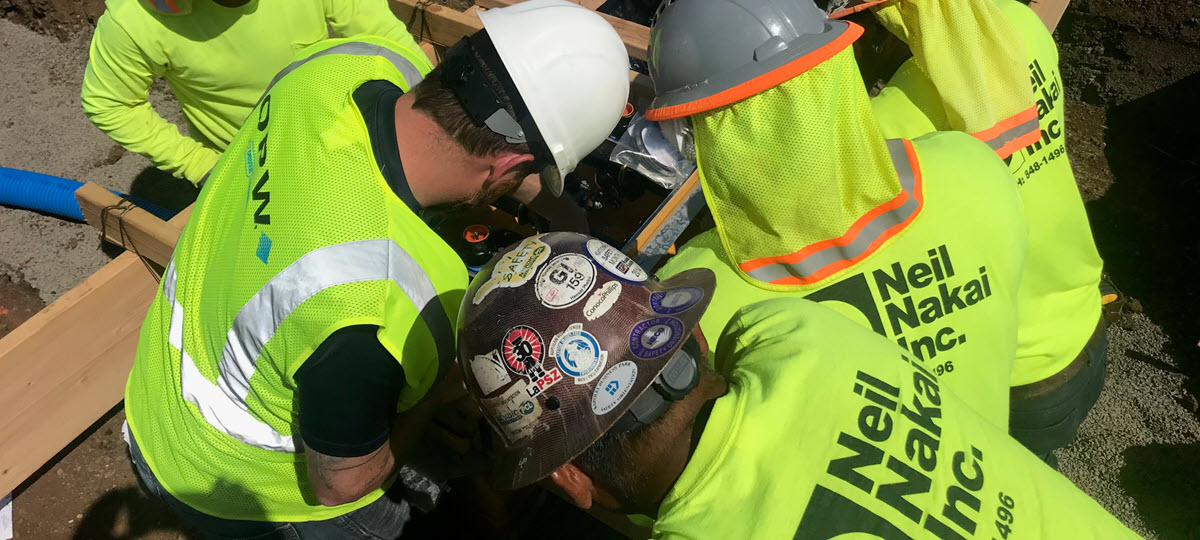

Fueling system equipment longevity starts at product installation with parts that simplify testing and repairs.
By Ed Kammerer
Equipment longevity is a major driver of total cost of ownership (TCO) for fuel retailers. The longer your fueling system equipment successfully operates, the more value you get out of it. However, many station operators underestimate the impact that service efficiency has on TCO.
Testing and routine maintenance is essential, yet they create downtime until they are completed. The way fueling system equipment is engineered directly influences how quickly inspections, servicing and repairs can be completed. The long-term consequences of poorly performing equipment can negatively impact brand loyalty and exacerbate customer dissatisfaction.
As such, fuel retailers should ask their equipment supplier these two questions when choosing new fueling system components:
- How does the equipment simplify or reduce testing, maintenance and repairs?
- What design features simplify installation or eliminate the need for additional components?
The answers to those questions can provide significant value to fuel marketers.
Underground Doesn’t Always Mean Inaccessible
The ease of access to underground parts for testing, maintenance, replacement and repairs can impact TCO and downtime.
For example, overfill prevention valve testing frequently takes longer than necessary due to a lack of service-focused features on the overfill valve. Most basic overfill prevention valves require the inspector or technician to remove the tank-top hardware, break vapor-tight seals and remove the valve from the tank to test it—and then reconfigure the system after testing.
Advanced overfill prevention valves simplify the process by allowing the valve to be tested without removing it from the tank. This capability significantly reduces the time needed to validate the valve’s functionality. What may take an hour for a traditional overfill valve can be reduced to minutes for a valve that does not require removal and reinstallation.
At a minimum, overfill prevention valves need to be tested at start-up to confirm they pass code requirements. However, fuel retailers with strong preventative maintenance programs go beyond that, voluntarily testing equipment as part of a predetermined maintenance schedule. In addition, many regulations now call for prescribed testing schedules of these valves to remain compliant. With more frequent tests and maintenance, efficiency is critical. Testing valves with in-situ service capabilities for three tanks could only take 15 minutes, compared to three hours to test valves that need to be removed.
The time savings produced by a “service in place” valve reduces forecourt downtime and hourly charges for testing. Multiply those savings over the lifetime of the equipment, and the cumulative reduction in technician hours, system downtime and maintenance overhead significantly optimizes TCO.
When Maintenance Means Jackhammers
There is nothing every seasoned fuel retailer dreads more than hearing, “Break concrete, dig, excavate and remediate.”
Any instance where concrete needs to be demolished and replaced to access underground parts inflates costs, prolongs downtime and disrupts fueling on the forecourt. The time and financial costs to break concrete are considerable:
- Lost fuel and c-store sales. In most “break concrete” scenarios, the forecourt will need to be closed for weeks—maybe months—for safety reasons until the equipment is restored, it passes testing and the forecourt is rebuilt to local codes and regulatory standards. If a severe environmental incident occurs, the impact on the station’s reputation may damage the company’s brand and the store’s standing within the community, diminishing customer loyalty.
- Labor and materials. Concrete removal and remediation of contaminated soil are expensive. You may need to coordinate services from two crews—a concrete removal company and a petroleum contractor—to complete repairs. You will also need to pay material costs and hazardous waste disposal.
- Permits, applications and engineering design fees. The bigger the job, the longer the process and the higher these soft costs will be.
Product supply piping is a prime example of how vetting the serviceability advantages can pay off.
First, the piping material itself significantly impacts the long-term maintenance profile of this critical fueling system component. Compared to joint-free, corrosion-resistant flexible piping, systems that are constructed with rigid and semi-rigid piping contain buried fittings and joints that increase the likelihood of a leak.
Secondly, to repair or replace rigid or welded plastic piping concrete must be broken, the backfill excavated and contaminated materials hauled away. Unfortunately, when the underground equipment is exposed, additional problems in the system often reveal themselves, increasing the scope, timeline and costs of the job.
There are alternatives for rigid piping. For example, fully integrated, double-wall flexible piping systems contained in an access pipe with flexible entry points provide continuous access to the piping without breaking concrete. Spill buckets can offer similar advantages. The ability to replace a single-wall cartridge or upgrade to a double-wall configuration in a spill container without having to dismantle the concrete collar improves efficiency and saves costs.
Cutting Complexity Pays Off
Equipment engineered to be quickly and easily installed saves time and helps reduce labor costs. Rigid piping, for example, requires precision alignment and fittings. Subsequently, materials and labor costs at the time of installation are generally higher for rigid piping compared to flexible piping.
Plug-and-play components simplify installation. For example, advanced composite fabrication processes enable manufacturers to produce universal dispenser sumps that are compatible with all dispenser models and facilitate easy nesting, stacking and unstacking. Sumps that arrive on-site pre-plumbed with dispenser tops, entry fittings, stabilizer bars, emergency shear valves and connections allow substantially quicker installations and reduce the chance for in-field assembly errors.
Seeking out fueling system equipment that eliminates the need for specialized ancillary components, such as customized manholes to access underground equipment for future testing, reduces material costs and eliminates additional system parts that will need to be maintained.
Innovation Drives Lower TCO
Even the most robustly engineered fueling system equipment requires occasional servicing of wear parts.
Fortunately, there are components that can be serviced in place and reduce unnecessary complexity across the forecourt, providing long-term value in their products. When purchasing new fueling system parts, ask your distributors and equipment suppliers to explain the part’s installation, testing and maintenance advantages. Look for systems that are easily accessible and that will result in faster service calls, fewer shutdowns and greater reliability when it matters most.
 Ed Kammerer is the vice president of global product marketing at OPW Retail Fueling. He can be reached at [email protected]. For more information on OPW Retail Fueling, go to opwglobal.com/opw-retail-fueling.