
Savvy retail-fueling site operators can get ahead ‘with a little help from their friends.’
By Ed Kammerer
The Beatles didn’t write “With A Little Help From My Friends” about our industry, but the broader message certainly does apply: We can all use a little help from our friends when it comes to building or remodeling a retail-fueling site.
Most owners and operators would be lost if not for the relationships they have with and contributions they from their business partners. But how do you go about identifying the best distributors, installers and service providers for your specific business? Let’s take a closer look how to build out partnerships to keep your business humming.
Distributors
It is incredibly important for the owners and operators of any retail-fueling business, no matter the location or site demographics, to identify and build a good, trusting relationship with a distributor partner.
Distributors who buy products direct from manufacturers, store them and then sell them to retailers when needed are prized because they can streamline and optimize the distribution process. Beyond that, look for distributors that have a ready supply of equipment on hand to meet your needs, as well as a deep understanding of the area as the project is being planned.
These suggestions can help you find the right distributor to optimize the performance of your business.
- Perform due diligence: Research the market area in which you will be operating and identify a distributor with a strong reputation who can work through site selection, permitting, equipment selection, installation processes and, eventually, service.
- Lean on local knowledge: Distributors who know the area can provide important information regarding population demographics, travel patterns and other important variables. The distributor can also provide background on competitors in the area and what has been successful or unsuccessful for them.
- Take advantage of product expertise: Distributors should be intimately familiar with the systems that they represent and sell. This knowledge can help an operator decide, for instance, what types of fueling nozzles to use or which secondary-containment system is the most waterproof.
- Manufacturer alignment: Make sure your distributor is partnered with the most innovative manufacturers in the industry and up to date on all the new products the manufacturer has to offer. Work with the distributor to ensure that they keep a sufficient stock or inventory of the fueling components you might need.
- Look down the road: You’ll want a distributor who is familiar with the latest revisions, upgrades, enhancements in equipment technology—as well as current and pending regulations. This can include next-generation sump technologies that improve uptime and reduce maintenance costs or fueling nozzles that have been designed to deliver a cleaner fueling experience for drivers.
- Plan for an Emergency: There is always a chance, especially as systems age, that an equipment breakdown will occur or some form of preventive maintenance will be required. Partner with a distributor who has a vast knowledge of the complete fueling system—and has a staff that is able to respond quickly and reliably to expedite any equipment emergency.
Installers
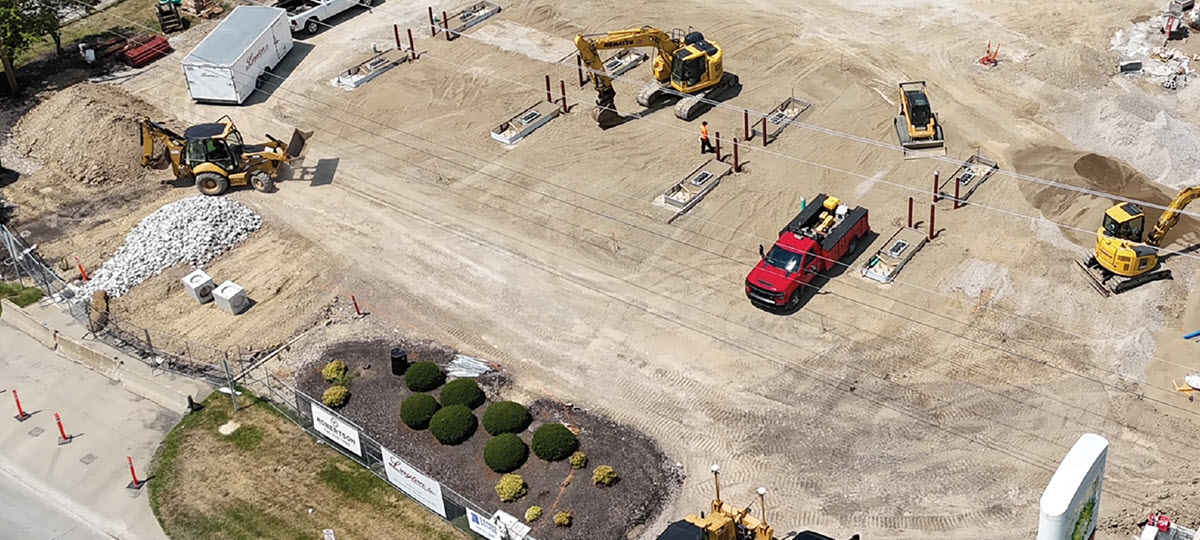
Whether your site is a knockdown-and-rebuild (KDR) or new construction, the first consideration regarding installers is obvious: Find one with a proven reputation of getting the job done properly. The best petroleum equipment installers are those that are true pump-and-tank contractors and not someone that only dabbles in the industry. In other words, you don’t want an installer that is doing guesswork. That can result in a site with leaks in the dispensing or containment systems, which opens the door to a wide array of potentially negative consequences.
At the same time, the installer should be certified by the manufacturer and supplier of the systems and equipment that will be installed. It should be up-to-date and in compliance with all required training certificates. Proximity to the building site is also important because some of the equipment may be shipped to the installer, which creates ready access to the stocking depot that should also have replacement parts should anything break or go missing during construction.
The second major consideration is the clock. There’s no avoiding the fact, whether the site is a KDR or new construction, that it typically takes from six weeks to six months to get the business operational. Drivers will often find the path of least resistance when searching for a service-station solution, so the longer the site is idled (especially if it’s being remodeled), the more likely a customer will find a new favorite fueling site in the interim.
A final consideration is seasonality. Even in the best, most temperate climates, you never know when a debilitating cold snap or storm will hit. In addition, you’ll want to look at how installers manage operations during the so-called “construction season.”
Service Providers
Fueling-system components begin to experience wear and tear immediately after a site opens. Some installers may also have a service department, which could be a convenient one-stop-shop option.
A proactive service strategy with preventative-maintenance schedules and regular service checkups is important—don’t wait until a piece of equipment fails to replace it. Regularly scheduled service calls can minimize downtown and help uncover other areas of possible concern. A service tech may notice a leaking nozzle, presenting the opportunity to test the others to make sure that they are operating properly or may be close to failure.
The best service providers are also investing in new technologies, such as sophisticated online tools that enable call allocation through GPS. This allows faster response to service calls, which can result in a quicker resolution of the situation with minimal or no downtime.
Building a successful retail-fueling business can be daunting—but there are friends who can help you. The retail-fueling industry is home to hundreds of distributors, installers and service providers who have made a firm commitment to guaranteeing the best outcome for retail-fueling site operators, whether they are opening their first site or their 50th.
 Ed Kammerer is the senior director, global product management, OPW, based in Cincinnati, Ohio. He can be reached at [email protected]. OPW delivers product excellence and the most comprehensive line of fueling equipment and services to retail and commercial fueling operations around the globe. For more information on OPW, please go to opwglobal.com.