
The U.S. Environmental Protection Agency (EPA) announced new proposed federal vehicle emissions standards that will accelerate the ongoing transition to a clean vehicles future. These proposals would avoid nearly 10 billion tons of CO2 emissions, equivalent to more than twice the total U.S. CO2 emissions in 2022, and the administration claims it would save thousands of dollars over the lives of the vehicles meeting these new standards and reduce America’s reliance on approximately 20 billion barrels of oil imports.
“By proposing the most ambitious pollution standards ever for cars and trucks, we are delivering on the Biden-Harris Administration’s promise to protect people and the planet, securing critical reductions in dangerous air and climate pollution and ensuring significant economic benefits like lower fuel and maintenance costs for families,” said EPA Administrator Michael S. Regan. “These ambitious standards are readily achievable thanks to President Biden’s Investing in America agenda, which is already driving historic progress to build more American-made electric cars and secure America’s global competitiveness.”
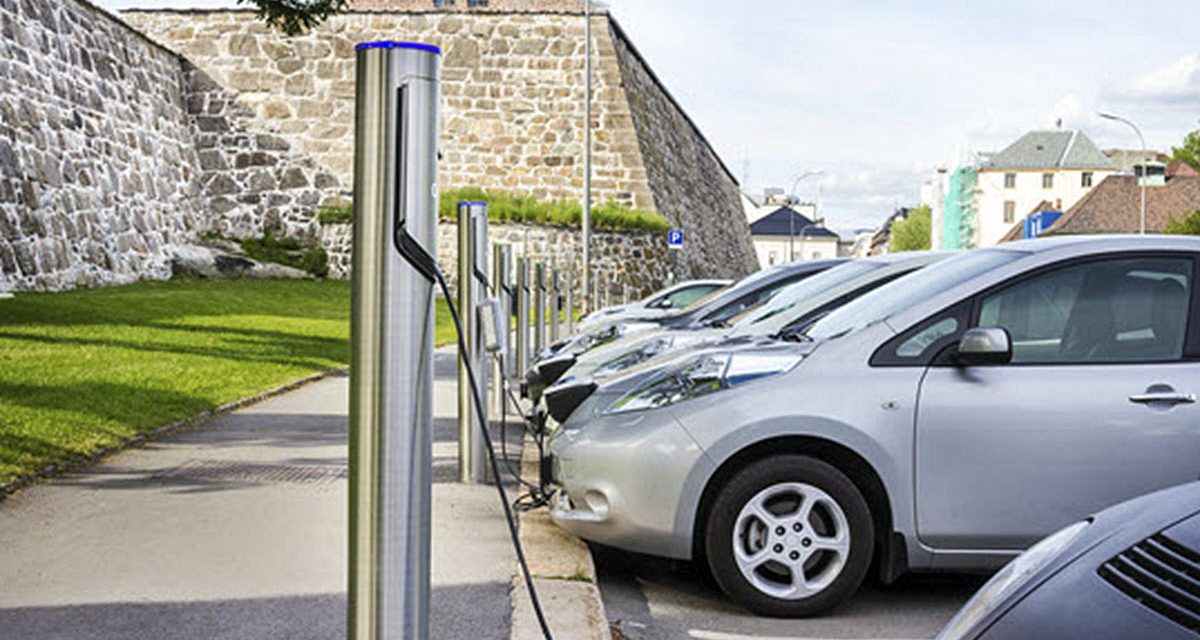
Although still a minor portion of the vehicle fleet, since President Biden took office, the number of EV sales has tripled while the number of available models has doubled. There are over 130,000 public chargers across the country—a 40% increase over 2020. The private sector has also committed more than $120 billion in domestic EV and battery investments since President Biden signed the Inflation Reduction Act into law. The new standards proposed reflect the advancements and investments in clean vehicle manufacturing, which have been accelerated by President Biden’s Investing in America agenda.
Light- and Medium-Duty Vehicle Proposed Standards
The first set of proposed standards announced, the “Multi-Pollutant Emissions Standards for Model Years 2027 and Later Light-Duty and Medium Duty Vehicles,” builds on EPA’s existing emissions standards for passenger cars and light trucks for MYs 2023 through 2026. The proposal retains the proven regulatory design of previous EPA standards for light-duty vehicles, but leverages advances in clean car technology to further reduce both climate pollution and smog- and soot-forming emissions.
EPA’s proposal considers a broad suite of available emission control technologies, and the standards are designed to allow manufacturers to meet the performance-based standards however works best for their vehicle fleets. EPA projects that for the industry as a whole, the standards are expected to drive widespread use of filters to reduce gasoline particulate matter emissions and spur greater deployment of CO2-reducing technologies for gasoline-powered vehicles.
The proposed standards are also projected to accelerate the transition to electric vehicles. Depending on the compliance pathways manufacturers select to meet the standards, EPA projects that EVs could account for 67% of new light-duty vehicle sales and 46% of new medium-duty vehicle sales in MY 2032. The proposed MY 2032 light-duty standards are projected to result in a 56% reduction in projected fleet average greenhouse gas emissions target levels compared to the existing MY 2026 standards. The proposed MY 2032 medium-duty vehicle standards would result in a 44% reduction compared to MY 2026 standards.
Heavy-duty Truck Proposed Standards
The second set of proposed standards announced, the “Greenhouse Gas Standards for Heavy-Duty Vehicles – Phase 3,” would apply to heavy-duty vocational vehicles (such as delivery trucks, refuse haulers or dump trucks, public utility trucks, transit, shuttle, school buses) and trucks typically used to haul freight. These standards would complement the criteria pollutant standards for MY 2027 and beyond heavy-duty vehicles that EPA finalized in December 2022 and represent the third phase of EPA’s Clean Trucks Plan.
These “Phase 3” greenhouse gas standards maintain the flexible structure that EPA previously designed through a stakeholder engagement process to reflect the diverse nature of the heavy-duty industry. Like the light- and medium-duty proposal, the heavy-duty proposal uses performance-based standards that enable manufacturers to achieve compliance efficiently based on the composition of their fleets.
The projected net benefits of the heavy-duty proposal range from $180 billion to $320 billion. The proposal is projected to avoid 1.8 billion tons of CO2 through 2055, equivalent to eliminating all greenhouse gas emissions from the entire current U.S. transportation sector for an entire year, and deliver additional health benefits by reducing other pollutants from these vehicles. The standards would result in improved air quality nationwide, and those who live near major roadways and are disproportionately exposed to vehicle pollution and heavy-duty activity, which often includes low-income populations and communities of color, would benefit most directly.
Pushback for the Proposals
The proposal does not come without some significant criticism from traditional fuels and biofuel sectors as well as among current vehicle operators.
American Petroleum Institute (API) President and CEO Mike Sommers issued the following statement on the U.S. Environmental Protection Agency’s proposal for new federal vehicle emissions standards. “This deeply flawed proposal is a major step toward a ban on the vehicles Americans rely on. As proposed, this rule will hurt consumers with higher costs and greater reliance on unstable foreign supply chains,” he said.
American Trucking Associations President and CEO Chris Spear issued the following statement: “The trucking industry starts at ‘yes.’ We share the goal of reducing greenhouse gas emissions and improving fuel efficiency and believe any regulation must be practical, achievable, and based on sound science. Our members have a long history of adopting the cleanest emissions technology on the road today and are making the necessary investments to support a decarbonized future.
“While these standards are directed at manufacturers, it is fleets – the customers and end-users of this equipment – who will ultimately determine their level of success. The Phase 3 standards must take into account the complex challenges and operating conditions facing motor carriers as we manage the transition to a zero-emission future while simultaneously moving more than 72 percent of the economy’s freight.
“As we review the proposed rule, ATA will remain engaged in the regulatory process to ensure the agency arrives at a regulation that has realistic equipment adoption timelines, is technologically feasible, and will not cause additional inflationary pressures if finalized.”
Todd Spencer, president of the Owner-Operator Independent Drivers Association (OOIDA) was more direst with a clear opposition to the proposals.
“The Biden-Harris EPA is continuing their regulatory blitz on small-business truckers,” he said. “The latest proposal comes on the heels of a hurried NOx emissions rulemaking finalized in December along with a California waiver mandating sales of electric trucks. Today’s announcement is a blatant attempt to force consumers into purchasing electric vehicles while a national charging infrastructure network remains absent for heavy-duty commercial trucks. Professional drivers are skeptical of EV costs, mileage range, battery weight and safety, charging time, and availability. It’s baffling that the EPA is pushing forward with more impractical emissions timelines without first addressing these overwhelming concerns with electric CMVs. The pursuit of this radical environmental agenda in conjunction with an anticipated speed limiter mandate will regulate the safest and most experienced truckers off the road. “
Biofuel manufacturers are similarly finding themselves on the outside, looking in as these regulations are proposed. American Coalition for Ethanol (ACE) CEO Brian Jennings issued the following reaction.
“We share EPA’s desire to decarbonize the U.S. passenger fleet but believe there is a better way than arbitrarily regulating a solution with significant unknowns,” he said. “As EPA Agriculture Advisor Rod Snyder told ACE members just last month, there is no question we will be using liquid transportation fuels for a long time to come, our lifetimes. Appreciating this truth, ACE members are dedicated to producing domestic biofuels with net-negative carbon scores – something that EVs will never achieve.
“Effective federal policy would incent the market to deliver multiple technologies to decarbonize the transportation sector such as through a technology-neutral federal Clean Fuel Standard that sets aggressive reduction goals beginning now. With properly crafted policy, low carbon biofuels can serve as a low-cost, technologically proven means to meet decarbonization goals in the near and long term while creating economic opportunities in rural America.
“Unfortunately, today’s proposal isn’t that. Today’s proposal would stifle innovation and slow near-term climate reductions in exchange for a future of supply chain uncertainty and exacerbating environmental damage and human rights impacts from unsustainable mining of critical minerals across the globe. There has to be a better way.”